
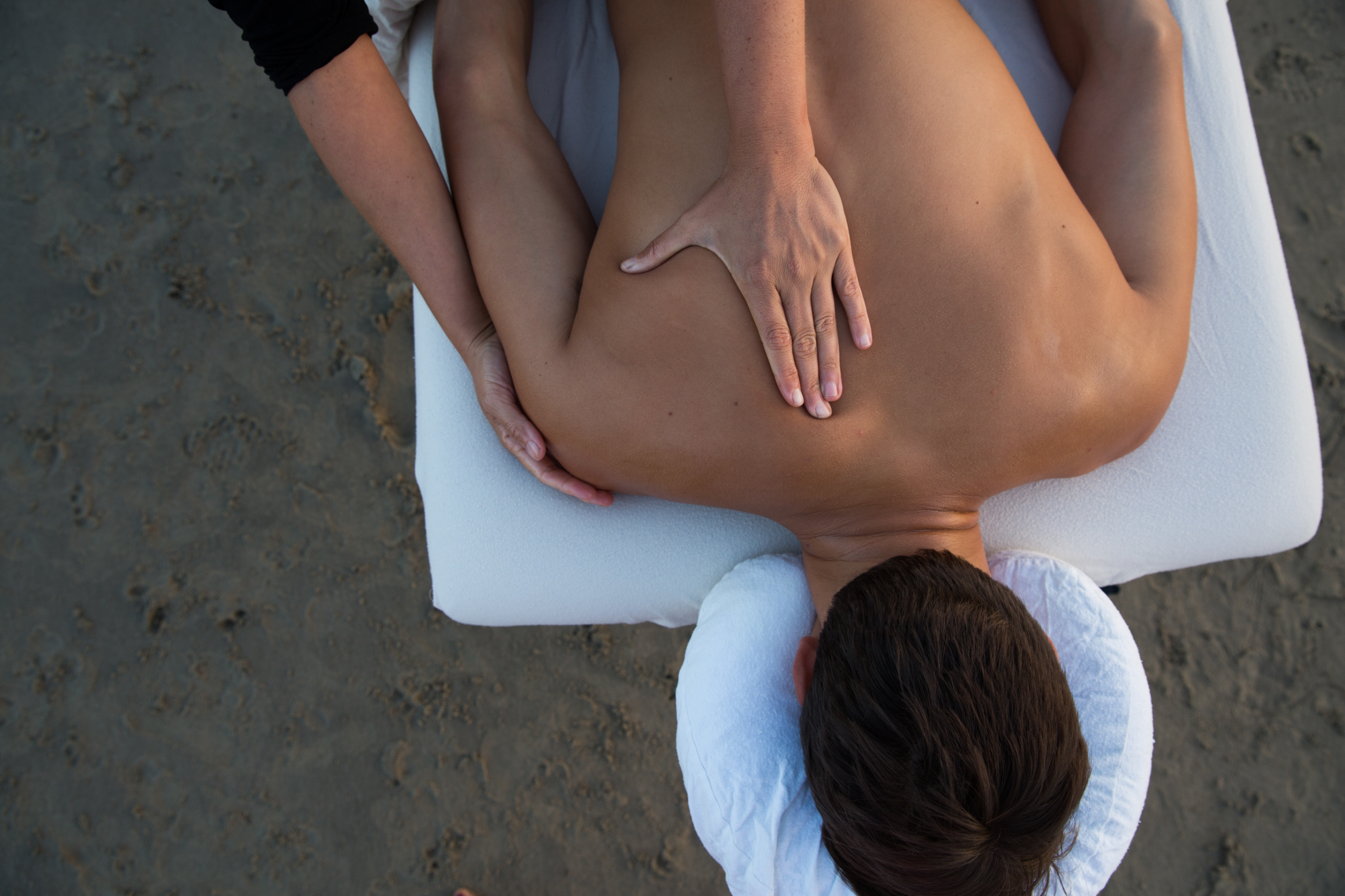
Practical Techniques for Massage
Enhancing your massage skills is essential for personal growth and client satisfaction. Here are some techniques to consider:
- Focus on breathing techniques.
- Incorporate stretching into your sessions.
- Utilize various pressure levels for different needs.
Practical Techniques for Massage
Massage therapy is both an art and a science, requiring skill, precision, and mindfulness. Whether you are a beginner or an experienced practitioner, mastering practical massage techniques is essential for delivering effective and professional sessions.
1. Swedish Massage Fundamentals
Swedish massage forms the foundation for most massage practices. Techniques such as effleurage (long, gliding strokes), petrissage (kneading), friction, tapotement (rhythmic tapping), and vibration help relieve tension, improve circulation, and promote relaxation.
2. Deep Tissue Techniques
Deep tissue massage targets deeper layers of muscle and connective tissue. Learning how to apply controlled pressure with fingers, thumbs, elbows, and forearms allows therapists to release chronic tension, improve mobility, and alleviate pain, while maintaining client comfort and safety.
3. Stretching and Joint Mobilization
Incorporating stretching and joint mobilization into sessions improves flexibility, range of motion, and overall body function. Techniques such as passive stretching, assisted stretching, and gentle mobilization support injury prevention and enhance client outcomes.
4. Thai Massage Basics
Thai massage combines assisted stretching, gentle pressure, and rhythmical movements along energy lines. Learning these techniques allows therapists to provide a full-body experience that promotes relaxation, energy flow, and body awareness.
5. Mindful Touch and Assessment
Practical techniques go beyond physical manipulation. Developing mindful touch, palpation skills, and body assessment techniques ensures that each session is tailored to the client’s needs, creating a safer and more effective therapeutic experience.
Conclusion
Mastering practical massage techniques is key to a successful and rewarding career in massage therapy. By combining foundational strokes, deep tissue methods, stretching, Thai massage, and mindful touch, therapists can provide transformative experiences for every client.
CTA:
Enhance your hands-on skills and become a confident, skilled therapist. Explore Sparrow Massage School programs and learn practical techniques that will elevate your massage practice today.